Introduction
Cutting or pruning the wrong tree in Lancashire could lead to a lot more than just a neighbourly dispute, it can result in a criminal record and a fine of up to £20,000. Many property owners assume that because a tree is on their land, they have the absolute right to manage it as they see fit. However, the UK’s planning laws are designed to protect the “green infrastructure” of our local communities, meaning your garden is often subject to strict environmental regulations. Before you pick up a saw or hire a general handyman, you need to know exactly what you are dealing with. Navigating the world of Tree Preservation Orders (TPO’s) and Conservation Areas can be daunting, but the risks of getting it wrong are simply too high to ignore. Here is how to navigate the legal landscape of your garden and stay on the right side of the law.
What Makes a Tree Protected in the UK?
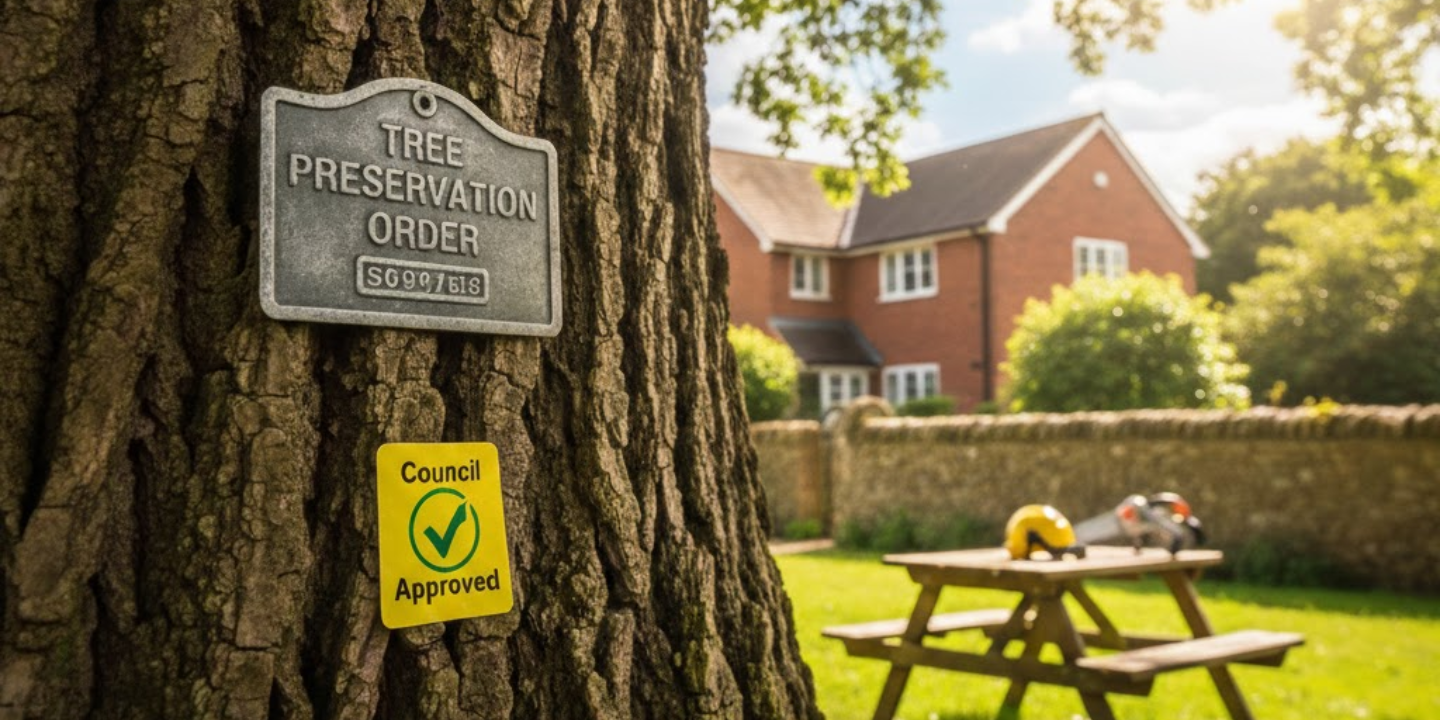
In the eyes of the law, a tree is usually protected under two main categories: a Tree Preservation Order (TPO) or its location within a Conservation Area. A TPO is a specific order made by a local planning authority, such as South Ribble Borough Council or Preston City Council, to protect specific trees, groups of trees, or woodlands that provide significant public visual amenity. If a tree has a TPO, it is legally protected from being cut down, topped, lopped, uprooted, or wilfully damaged without the council’s written permission. These orders are often placed on trees that are considered to be under threat from development or those that define the skyline of a particular Lancashire street. Even if the tree is on your private driveway, it is treated as a public asset, and the penalties for unauthorised work are strictly enforced to preserve the local ecosystem.
Understanding the Gov UK Guidelines
According to official UK Government resources, the protection is designed to prevent the loss of trees that contribute to the “character” of an area. This means even a tree on your private land is subject to public interest laws that supersede your personal preference for a better view or more sunlight. It is a common misconception that you can prune a tree back to your boundary if it is protected; you absolutely cannot. Any work that exceeds the “exempt” criteria (such as removing small amounts of deadwood) requires a formal application. Doing so without a successful application is a breach of the Town and Country Planning Act, and the council has the power to prosecute both the homeowner and the contractor who carried out the work.
List of Protected Trees in My Area
Many homeowners search for a list of protected trees in my area, but it is important to understand that there is no “master list” of species that are automatically protected. A TPO can be placed on any species, from a common Oak to a garden Apple tree, provided the council deems it vital to the local landscape’s beauty or historical value. The protection stays with the land, meaning if you’ve recently moved to a new home in Leyland or Penwortham, the TPO from the previous owner still applies to you, regardless of whether it was mentioned during the viewing. It is always worth asking your solicitor or checking your local land charges during the buying process, as these protections are legally binding and do not expire over time.
How to Find a Tree Preservation Order Map Near Me
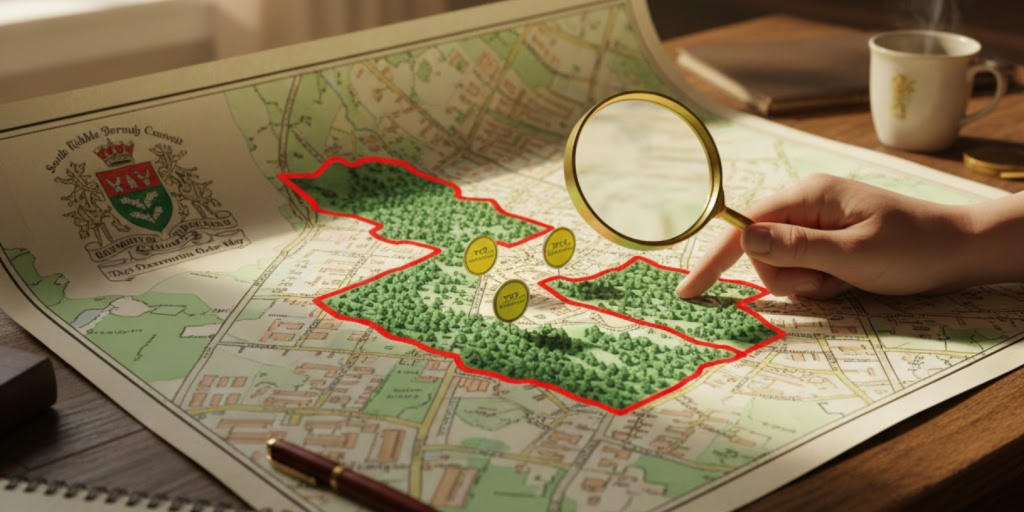
The most reliable way to find out if a tree is protected is to check your local authority’s official records. Most Lancashire councils now provide an interactive Tree Preservation Order map on their planning portals, which allows you to see exactly which trees are “red-lined” for protection. These digital maps are updated regularly and provide a visual guide to the specific boundaries of protected woodlands and individual specimens. Checking these maps is a vital first step for any landscaping project, as it allows you to plan your garden maintenance or extensions around the protected root zones of the trees in question.
What if There Is No Online Map?
If you cannot find a tree preservation order map near online, you should contact the council’s Arboricultural Officer directly via email or phone. You can request a “TPO Search” which will provide a definitive answer from their internal GIS systems. Additionally, always check your property deeds; TPO information is often highlighted in the legal disclosures made during a house sale as part of the local authority search. Never assume that because a tree looks “wild,” “unmanaged,” or “messy” it isn’t protected. Some of the most strictly guarded trees in the North West are those that look the most natural, as they provide the highest level of biodiversity and habitat for local wildlife.
Working Within a Local Conservation Area
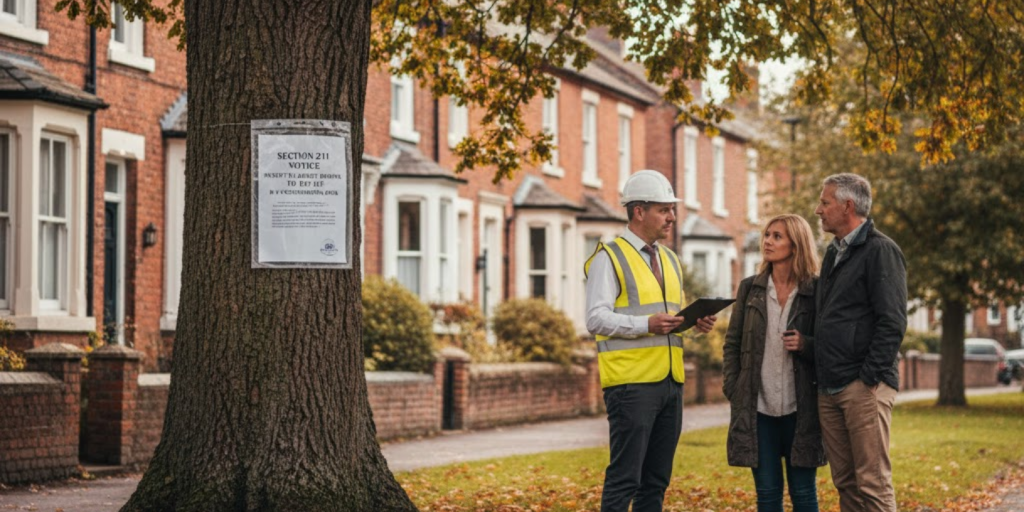
If your property is within a Conservation Area which is common in historic parts of Leyland, Penwortham, and Chorley, all trees with a trunk diameter greater than 75mm (measured at 1.5m above ground level) are effectively protected. This is a “blanket” protection that covers almost every significant tree in the zone, regardless of its species or health. The logic behind this is to ensure that the overall leafy character of these historic neighbourhoods is not eroded by gradual tree loss. Even if a tree is causing minor issues like leaf litter or shading, its removal could significantly alter the look of the street, which is why the council retains the right to veto any proposed work.
The Section 211 Notice Explained
Instead of a full TPO application, you must submit what is known as a Section 211 notice to the local planning authority. This gives the council six weeks to decide if the tree should be granted a formal TPO or if the work can proceed as described in your notification. It is essentially an “intent to work” notice that allows the council to assess the impact of your proposal. During this period, the council’s tree officer may visit your property to inspect the tree’s health and its contribution to the area. If the council does not object within those six weeks, you are legally allowed to proceed, though we always recommend getting this confirmation in writing before the wood starts to fly to avoid any future legal ambiguity.
Searching for Protected Trees Near Me
When people search for protected trees near me, they are often unaware that the Conservation Area status is just as strict as a TPO in terms of legal consequences. The fines for unauthorised work in a Conservation Area are identical to TPO breaches and can lead to a requirement to plant a replacement tree of a similar size and species at your own expense. If you are unsure if your home falls into one of these zones, your local council’s “Conservation and Heritage” page will have a definitive list of streets and postcodes covered. Being proactive and checking these boundaries before starting a garden renovation can save you from a very stressful and expensive legal battle with the local planning department.
How Much Does a Tree Preservation Order Application Cost?
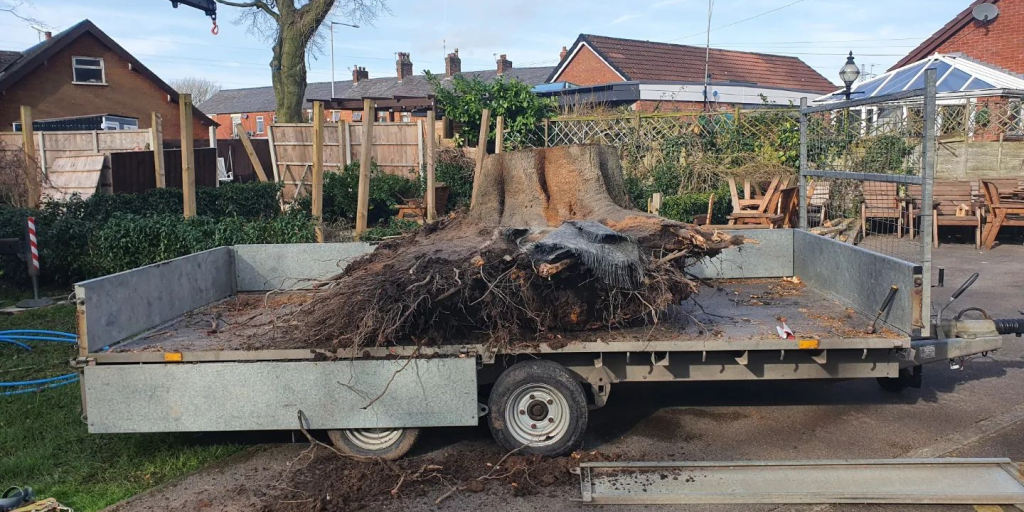
The good news for homeowners is that local authorities in the UK do not charge a fee for a TPO application or a Conservation Area notice. Unlike building planning permissions which can be costly, tree work applications are free to submit. However, the true “cost” of an application often lies in the quality of the technical information provided to the council and the potential delay to your project if the application is rejected. A poorly drafted application can lead to months of back-and-forth with the council, whereas a professional submission usually glides through the process with minimal friction.
Why You Need a Professional Arborist Report
The council is much more likely to approve work if the application is submitted with a professional report that explains the biological necessity for the prune or removal. A vague request like “the tree is too big” or “it’s blocking my light” will almost certainly be rejected, as these are rarely seen as valid reasons to compromise a protected asset. However, an application that mentions “crown thinning for light penetration” or “weight reduction for storm resilience,” backed by BS3998 standards, shows the council that you are managing the tree responsibly. At Tree Care Extraordinaire, we provide the technical data and photographic evidence required to prove that the work is in the best interest of the tree’s long-term stability and health.
Avoiding the £20,000 Fine
The cost of hiring a professional to handle your application is a tiny fraction of the potential fines. Beyond the initial financial hit, which can be unlimited in some cases, a conviction for destroying a protected tree can complicate future house sales, increase your insurance premiums, and leave you with a permanent criminal record. In some high-profile cases, homeowners have been forced to pay back the “financial gain” they achieved by removing a tree that was blocking a view or a development plot. At Tree Care Extraordinaire, we handle the entire application process, from initial map checks to liaising directly with South Ribble and surrounding councils, ensuring your project stays legal, safe, and entirely stress-free.
Need Help Navigating Tree Permissions?
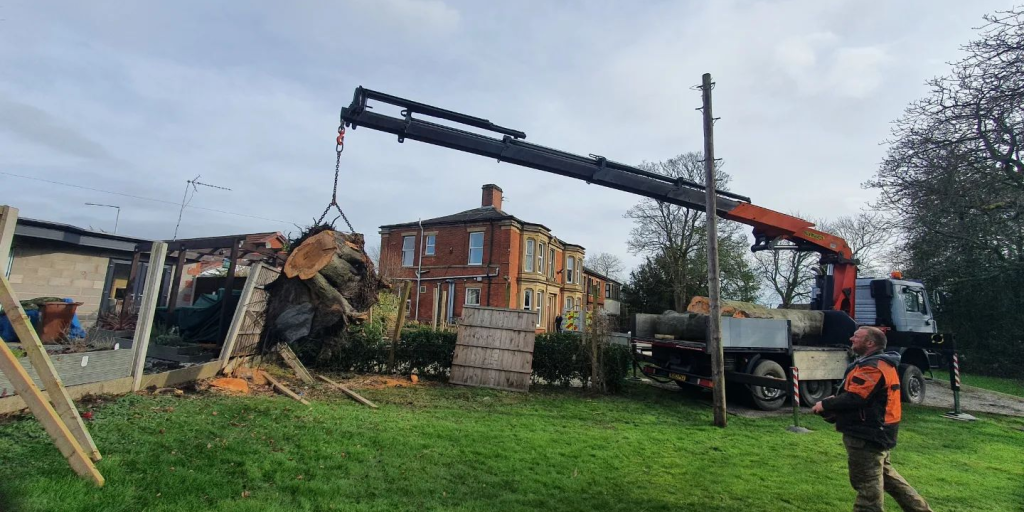
If you are unsure about the status of a tree on your property or need assistance submitting a technical application to your local council, we are here to help. Our team provides expert guidance across Lancashire, ensuring your trees are managed with surgical precision and full legal compliance. We understand the specific requirements of South Ribble, Preston, and Chorley councils, and we can handle the paperwork so you don’t have to. Don’t risk a massive fine or a criminal record and get professional advice from the start and ensure your garden’s living assets are protected.
References:
[1] https://www.treecareextraordinaire.co.uk/services/tree-surveys-and-tpo-applications/
[2] https://southribble.gov.uk/planning-13/protected-trees
[3] https://www.preston.gov.uk/article/1133/Tree-preservation-orders-TPOs
[4] https://www.gov.uk/guidance/tree-preservation-orders-and-trees-in-conservation-areas
[5] https://www.treecareextraordinaire.co.uk/services/tree-care-and-pruning/
[6] https://www.legislation.gov.uk/ukpga/1990/8/contents
[7] https://www.treecareextraordinaire.co.uk/new-build-garden-trees/
[8] https://southribble.gov.uk/planning-policy/planning-monitoring-evidence/6