When a tree in your garden begins to dominate the landscape, it can feel like a losing battle against shadows and encroaching branches. Many homeowners in Lancashire find themselves at a crossroads, knowing that something needs to be done but often unsure of the technical path to take.
The two most common professional solutions are Crown Thinning and Crown Reduction. While they may sound similar, they are distinct arboricultural operations with different goals, techniques, and long-term impacts on tree health. Choosing the right one is the difference between a thriving, beautiful specimen and a butchered tree that becomes a future liability. This guide breaks down everything you need to know to make an informed decision for your property.
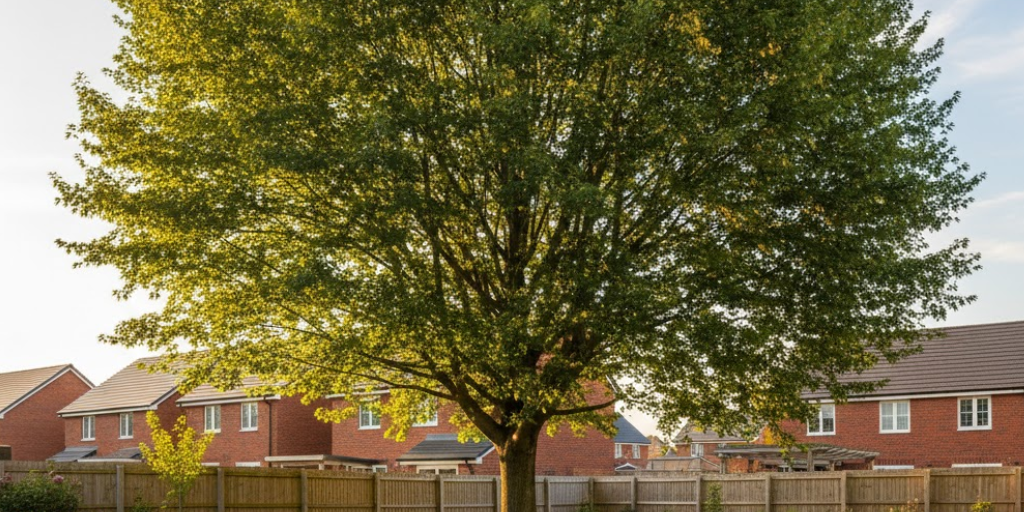
What is Crown Thinning?
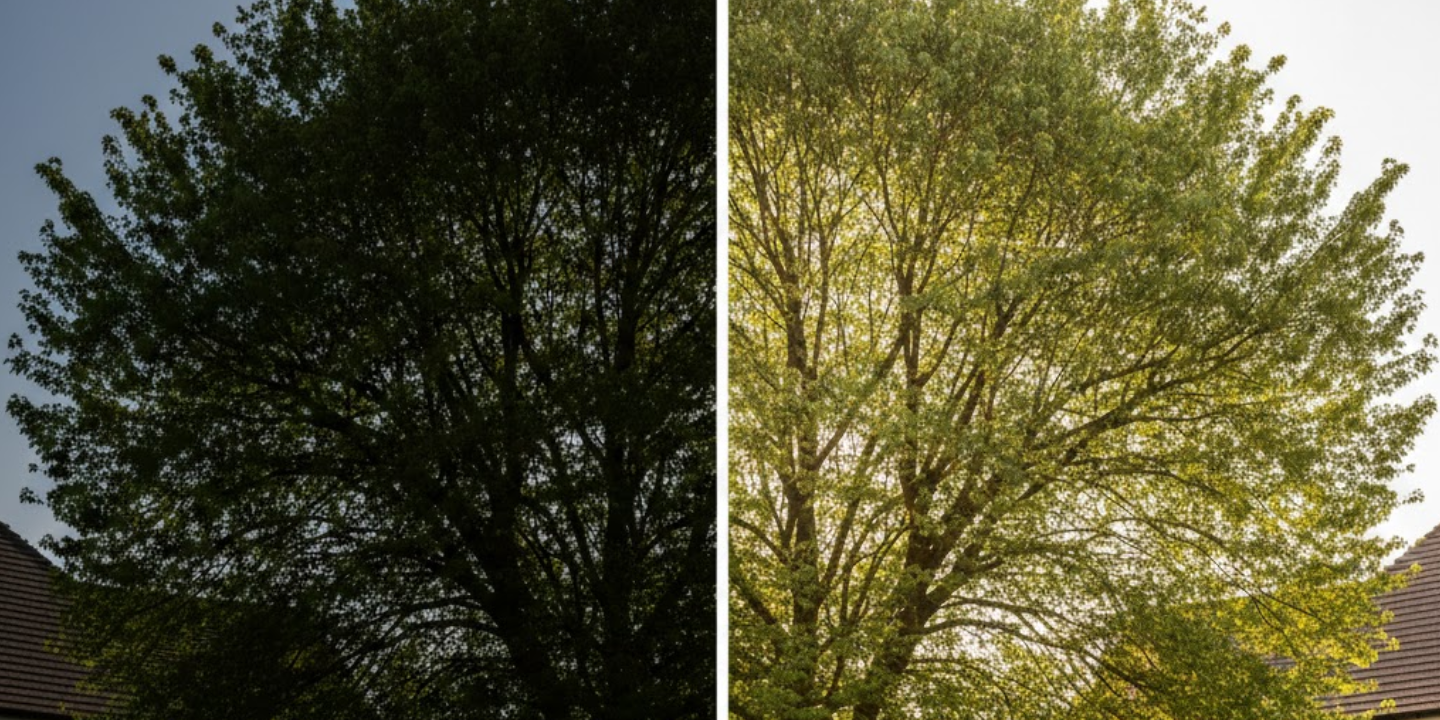
Crown thinning is a precise, surgical method of pruning. It involves the selective removal of a small portion of secondary branches, usually between 10% and 30%, from within the tree’s canopy. The most important characteristic of crown thinning is that it does not change the overall size, height, or silhouette of the tree. We focus on removing the dead, dying, and diseased wood, alongside crossing branches that may be rubbing together and creating entry points for decay.
Why it is done
The primary motivation for thinning is light management and structural health. Over time, a tree’s canopy can become so dense that it acts like a solid wall. This prevents sunlight from reaching your lawn, flower beds, or windows. Beyond aesthetics, thinning is done to improve the airboarding of the tree. By removing congested growth, air can circulate more freely, which reduces the risk of fungal diseases and allows the wind to pass through the tree rather than pushing against it as a solid mass.
When is it best done?
For the majority of deciduous species found in the North West, such as Oak, Ash, and Beech, crown thinning is ideally performed in the late winter or early spring. This is the dormant period before the sap begins to rise. However, because thinning is less invasive than reduction, it can often be carried out in mid-summer once the tree has fully leafed out, provided the bird nesting season is respected and the tree is not under drought stress.
Why should it be done?
You should opt for thinning if you are happy with the tree’s height but unhappy with the darkness it creates. It is the perfect solution for Goldfish Bowl gardens in new build estates where you want to keep the privacy of a tall tree but want to reclaim your afternoon sun. Furthermore, it is a vital safety measure for exposed properties in Lancashire. A thinned tree has a much lower wind sail area, meaning it is significantly less likely to be uprooted during a seasonal gale because the wind can literally blow through the branches.
Crown Thinning Summary
Thinning is essentially the invisible service that prioritises light and safety without sacrificing the majesty of a tall tree. It is the best choice when the tree’s physical footprint is acceptable, but its density has become oppressive. By thinning the canopy, you maintain your privacy and the tree’s natural silhouette while allowing your garden below to breathe and thrive. It is a sophisticated way to manage a large tree in a smaller residential space without making it look like it has been harshly cut.
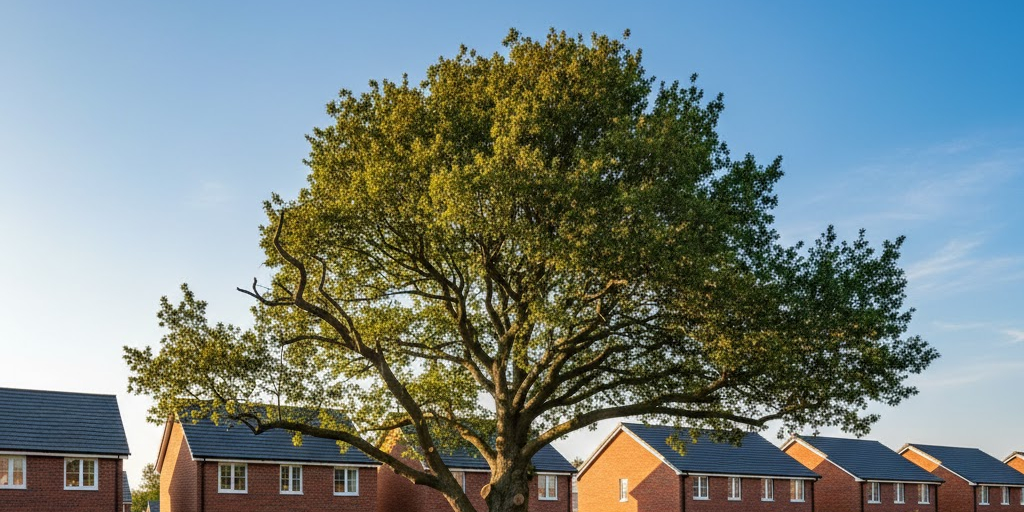
What is Crown Reduction?
Crown reduction is the process of reducing the overall envelope of the tree. This is achieved by shortening the height and the lateral spread of the branches back to suitable growth points. Unlike thinning, a reduction results in a tree that is physically smaller in every dimension. We ensure that the final result maintains a natural, flowing shape rather than the jagged, ugly look associated with topping.
Why it is done
Reduction is primarily a space-management and risk-mitigation tool. It is used when a tree has physically outgrown its environment. This might mean branches are physically scraping against a roof, encroaching on telephone wires, or blocking a specific view. It is also used to reduce the mechanical stress on a tree. If a tree has a heavy lean or a structural defect in its trunk, reducing the weight and height of the canopy takes the pressure off the weakened areas, prolonging the tree’s life and preventing total failure.
When is it best done?
Timing is more critical for reductions because the cuts are larger and more taxing for the tree to heal. The dormant season (late November to early March) is almost always the best window. This allows the tree to seal the pruning wounds before pests and pathogens become active in the spring. Reducing during dormancy also makes the structure of the tree easier to see, allowing for more precise cuts.
Why should it be done?
Reduction should be your choice if the tree is posing a physical threat to your home or outbuildings. It is the most effective way to manage top-heavy trees that feel unstable during storms. In urban areas like Preston or Leyland, reduction is often a legal or practical necessity to keep trees at a manageable distance from neighbouring properties and public footpaths, ensuring you remain a responsible homeowner while keeping your large trees safe.
Crown Reduction Summary
Reduction is the professional solution for managing scale and structural risk. It allows you to keep a tree that might otherwise need to be removed due to its size or proximity to buildings. By reducing the overall height and spread, we lower the tree’s centre of gravity and take the weight off the primary limbs. This results in a tree that is safer, more compact, and perfectly proportioned for its surroundings, preventing the need for more drastic measures while protecting your home’s roofline and foundations.
Conclusion
Ultimately, the choice between crown thinning and crown reduction depends on your primary pain point. If you want more light without changing the look of your garden, thinning is your answer. If you need more space and want to protect your home’s roofline from physical contact, reduction is the required path.
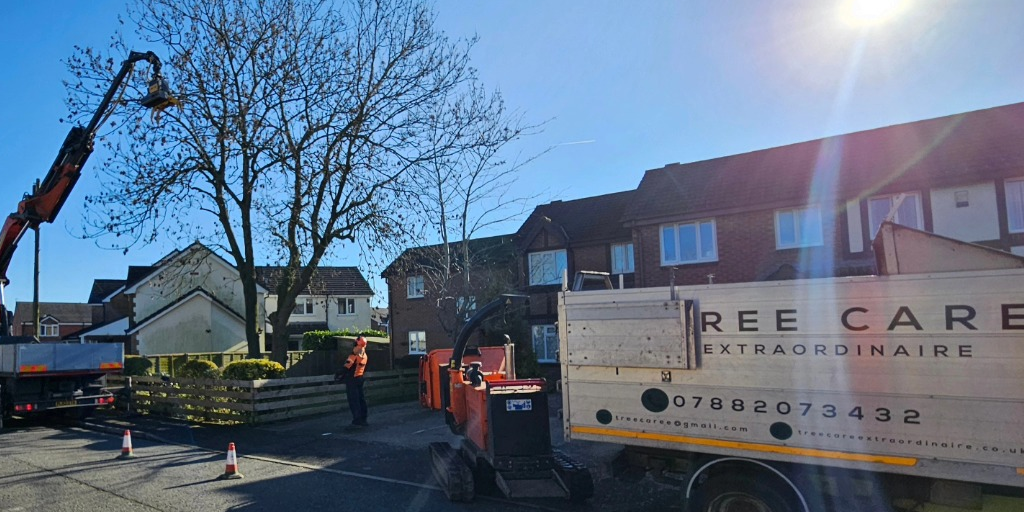
At Tree Care Extraordinaire, we carry out all pruning to BS3998 standards. This ensures that the cuts are made with precision, allowing the tree to heal quickly and grow back in a controlled, healthy manner. Never settle for a lopping and topping service; choose the surgical approach that protects your property’s value and the local Lancashire environment.
Frequently Asked Questions
The crown is the entire branched head of the tree. Thinning is the process of removing branches from within that head. You aren’t removing the crown; you are simply making it less dense.
A successfully thinned tree looks like a lighter version of itself. It retains its natural silhouette, but the canopy looks dappled. You will be able to see more of the sky through the branches, and the shadow it casts on your lawn will be much softer.
Yes, September is a fine time for light pruning of most species. However, we generally advise against heavy reductions on sap-heavy trees like Birch or Maple during this window to avoid excessive sap loss.
Avoid cutting back any spring-flowering trees or shrubs, such as Magnolia or Lilac, as you will be removing the buds for next year’s blossom. You should also avoid pruning if the tree is showing signs of extreme stress or disease.
October is an ideal time for deadwooding (removing brittle, dead branches) before the winter storms arrive. It is also the perfect time for a final tidy-up of evergreen hedges to keep them crisp for the winter months.